
Starting school is a big step for little ones, and preparing them goes far beyond knowing letters or numbers. A smooth transition into the classroom involves holistic development – from how kids move their bodies to how they manage big feelings. Think of it as building a toolkit: coordination, curiosity, and confidence all matter.
Programs like GymbaROO highlight skills often overlooked, such as crossing the midline (reaching across the body) or balancing on one foot. These aren’t just party tricks – they’re foundations for writing, focusing, and following instructions. Even simple games like building blocks or tossing a ball help wire the brain for learning.
Social and emotional growth plays a huge role, too. Can your child take turns? Express emotions calmly? These abilities make classroom life easier for everyone. Daily activities – sorting socks, chatting about picture books, or practising toilet routines – quietly build real-world readiness.
Key Takeaways
- Physical coordination and body awareness support focus and classroom participation
- Social skills like sharing and emotional regulation ease group interactions
- Everyday play builds cognitive abilities needed for problem-solving
- Programs focusing on neural development complement traditional learning
- Parents can nurture skills through simple, consistent daily routines
Understanding Kindergarten Readiness in Australia
Preparing for the classroom involves more than ABCs and 123s. True school readiness means blending movement, communication, and emotional smarts. It’s about helping kids feel confident whether they’re holding a pencil, sharing toys, or following a teacher’s directions.
What Does “Ready for School” Really Mean?
Experts like Lyn Jarvis describe readiness as a “whole-child puzzle”. Physical coordination lets children sit still during storytime. Social skills help them take turns at the craft table. Even simple tasks like packing a lunchbox build independence for the classroom.
Programs such as GymbaROO focus on often-missed abilities. Auditory processing helps kids follow instructions. Visualisation strengthens problem-solving during play. These aren’t extras – they’re the hidden wiring for learning success.
Australia’s Approach to Early Learning
Down Under, educators balance counting blocks with climbing them. Why? Crawling, swinging, and balancing boost brain connections needed for writing and focus. Daily routines matter too – consistent bedtimes or family meals teach time management subtly.
Specialist classes add structure through music or obstacle courses. As one parent shared, “After six weeks of rhythm games, my son started remembering multi-step tasks at home.” Small wins like these show how play shapes classroom-ready skills.
Essential Social and Emotional Skills for Kindergarten
A child’s first day isn’t just about backpacks and name tags—it’s about feeling secure in a group. Little moments, like sharing crayons or navigating disagreements, shape how kids thrive in structured settings. These skills don’t magically appear; they’re built through play, patience, and everyday practice.
Developing Social Skills and Cooperative Play
Group activities teach kids to share space, toys, and ideas. Simple games like building block towers together or taking turns in pretend play (“You be the chef now!”) build empathy. Playdates become mini-classrooms where children learn to negotiate rules or compromise—skills that translate directly to schoolyard interactions.
Educators often use role-playing to practise scenarios: “What if someone takes your pencil?” or “How do you ask to join a game?” These exercises turn abstract concepts into actionable habits. One parent shared, “After practising ‘listening circles’ at home, my daughter started raising her hand more confidently.”
Building Emotional Maturity and Resilience
Big feelings are normal, but managing them is a superpower. Storytime becomes a tool here—discussing how characters solve problems or cope with disappointment. For example, asking, “How do you think the bear felt when his tower fell? What could he try next?” sparks critical thinking.
Creative activities also bridge emotional and academic readiness. Drawing emotions (happy scribbles vs. angry zigzags) or using playdough to “squish frustrations” helps kids articulate feelings without words. Even buttoning a shirt or stacking cups quietly strengthens fine motor skills while teaching perseverance.
Remember, every “Can I try again?” or “Your turn!” moment is a win. These small steps build the confidence kids need to navigate new routines and friendships.
Motor and Cognitive Skills Checklist
Building physical and mental foundations helps children thrive in new learning environments. Coordination and problem-solving work together like puzzle pieces – mastering one strengthens the other. Let’s explore key abilities that support classroom success.
Gross and Fine Motor Skills Development
Can your little one hop on one foot or zip up their jacket? These actions show body control needed for school tasks. Jumping games build leg strength for sitting upright during lessons. Pencil grip practice with crayons or playdough prepares hands for writing letters.
Crossing the midline – reaching across the body – matters more than many realise. Struggling here can make reading fluency and letter formation tricky. Simple fixes exist: tossing beanbags to opposite hands or drawing figure eights boosts this skill naturally.
Cognitive Abilities and Learning Foundations
Following two-step directions (“Pick up the block, then put it here”) lays groundwork for structured practice at home. Obstacle courses teach sequencing: “Crawl under, then jump over.” These activities mirror classroom routines like unpacking bags or lining up.
GymbaROO’s research shows 85% of kids improve letter recognition through rhythmic movement breaks. Balancing on beams while reciting rhymes connects physical and mental learning. As one educator notes, “Children who can control their bodies often focus better during storytime.”
Every scribbled drawing or tower of blocks builds spatial awareness. Celebrate progress – whether it’s buttoning shirts faster or remembering morning tasks. These wins show growing readiness for school’s physical and mental demands.
Implementing the Kindergarten readiness checklist Australia at Home
Turning home into a learning lab doesn’t require fancy tools – just consistency and creativity. Small, playful habits build the skills kids need to feel capable when they start school. Think of your kitchen or backyard as practice zones for independence and problem-solving.
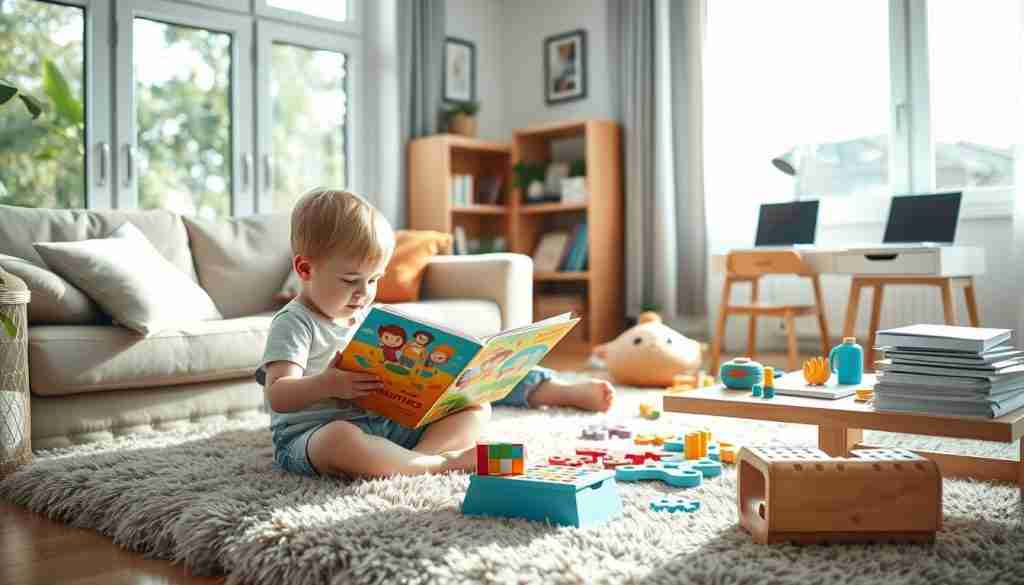
Daily Routines and Skill Reinforcement
Morning rituals teach time management. Let your child pick clothes (even mismatched ones!) to practise decision-making. Zippers and buttons strengthen motor skills – celebrate each snapped shirt like a gold medal win.
Transform chores into games:
- Sort socks by colour while naming shades
- Count apple slices during snack prep
- Play “lunchbox olympics” – opening containers builds hand strength
| Activity | Skill Developed | Pro Tip |
|---|---|---|
| Setting the table | Counting & spatial awareness | Use placemats with shapes |
| Garden scavenger hunts | Language & observation | “Find something bumpy!” |
| Dance breaks | Body coordination | Freeze when music stops |
Afternoons are perfect for social skills practice. Role-play scenarios like asking to join play. One mum shared, “We pretend stuffed animals are classmates – it helps my son voice his needs.”
Evening wind-downs matter too. Reading together? Pause to predict story outcomes. Bath time becomes science class – float toys, sink others. These moments add up, creating school-ready thinkers through everyday joy.
Preparing for the Transition: Parent and Teacher Collaboration
Teamwork between families and schools transforms first-day jitters into confidence. When adults work together, children feel supported in bridging home routines with classroom life. Shared goals create consistency – whether practising lunchbox skills or managing big emotions.
Roles of Parents and Early Childhood Educators
Parents know their child’s unique rhythms. Sharing bedtime habits or favourite play activities helps teachers personalise transitions. Educators, in turn, provide insights into group dynamics and school readiness milestones.
One prep teacher notes: “When families describe how their kids handle frustration at home, we can mirror those strategies here.” This two-way exchange builds trust and continuity.
Strategies for a Smooth School Transition
Weekly “chat books” let parents and teachers swap quick updates. Spot a new skill? Jot it down. Noticing separation worries? Suggest a comfort object. These small touches keep everyone aligned.
For sensitive learners, gradual exposure works wonders. Try:
- Short orientation sessions where kids explore classrooms with parents nearby
- Photo books showing daily routines (lining up, story circles)
- Joint projects like growing seeds at home and school simultaneously
| Strategy | Purpose | Real-World Example |
|---|---|---|
| Pre-visit playdates | Ease social anxiety | Meet classmates at local parks first |
| Visual timetables | Clarify routines | Photos of lunchtime steps |
| Transition objects | Boost security | Family photo keyrings for bags |
Celebrate tiny wins together. Did a shy child greet peers today? Text parents a thumbs-up. These connections reinforce that school readiness grows through shared effort, not perfection.
Conclusion
Helping young learners thrive in their new classroom environment involves nurturing social connections, body confidence, and curious minds. The four pillars – emotional awareness, physical coordination, communication abilities, and problem-solving – work together to create resilient, engaged students.
Parents can use practical tools to build these skills through everyday moments. Cooking together teaches measurement, while playground chats boost language development. Remember, growth happens gradually – some children master zippers quickly but need extra time sharing toys.
Consistency matters more than complexity. A five-minute morning routine practising shoe-tying or a bedtime story discussing characters’ feelings makes a difference. Partner with educators to identify your child’s strengths and areas needing support.
Keep this guide handy as your little one grows. Celebrate progress, whether it’s remembering classroom rules or gripping pencils better. With patience and play-based learning, every child gains the tools to enjoy their school journey confidently.