
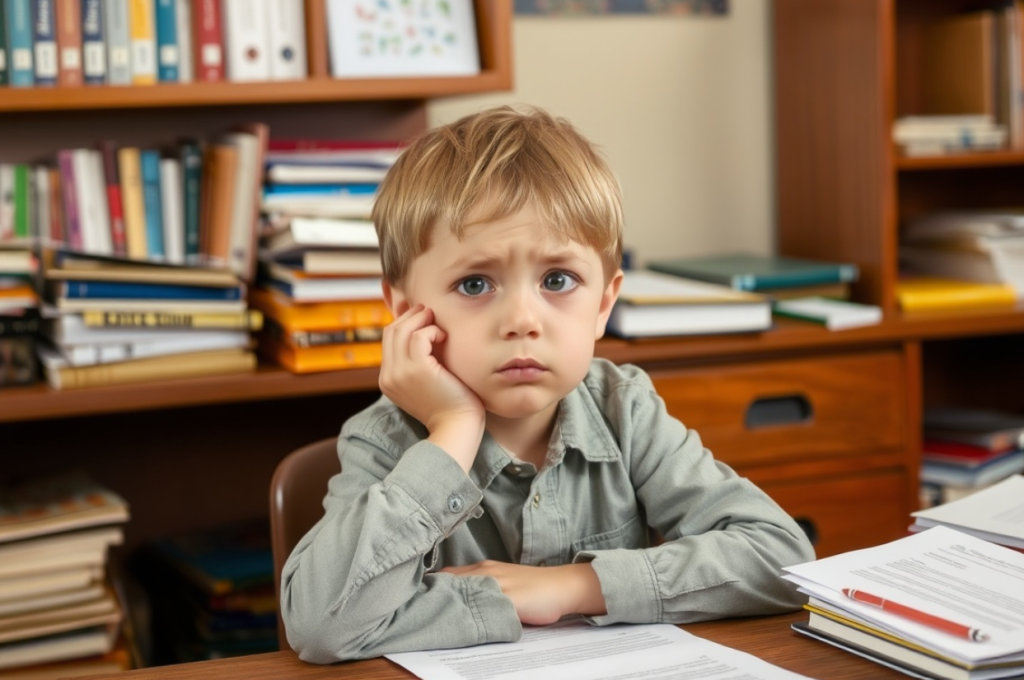
School anxiety is a growing concern that affects numerous children and young people worldwide. As students face the challenges of going to school, many experience feelings of anxiety that can significantly impact their daily lives. Understanding school anxiety and its implications is essential for parents, carers, and educators to effectively support children who may feel anxious about attending school. This article explores the nature of school anxiety, its causes, and the signs and symptoms to watch for, providing a comprehensive guide to help your child navigate these challenges.
Understanding School Anxiety

School anxiety refers to the distress or fear children may feel about going to school. It can manifest in various forms, from mild nervousness to severe anxiety disorders such as generalized anxiety, social anxiety, or separation anxiety. This type of anxiety may lead to behaviors like school refusal or avoidance, where students are refusing to go to school entirely. Understanding the nuances of school anxiety is crucial for parents, educators, and health professionals to effectively support children experiencing these challenges and to provide appropriate interventions that will help reduce anxiety levels.
What is School Anxiety?
School anxiety is an emotional response that can range from mild unease to debilitating fear related to school activities. This anxiety may stem from various factors, including the pressure to perform academically, making friends, or adjusting to a new school environment. Children with school anxiety might exhibit symptoms of anxiety, such as feeling anxious about starting school or facing a phobia about specific aspects of the school day. For some, the fear can become so overwhelming that it results in physical symptoms like stomach aches or shortness of breath, leading to school refusal behavior.
Causes of School Anxiety
The causes of school anxiety are multifaceted and can vary from child to child. Common triggers include a fear of separation from parents or carers, social anxiety about interacting with peers, and the stress of transitioning to a new school. Experiences of bullying, academic pressure, or a new school environment can exacerbate these feelings of anxiety. Additionally, children with anxiety disorders may be more prone to developing school anxiety, as their generalized anxiety could heighten their perception of school as a source of stress. Identifying these underlying causes is the first step toward finding effective treatment for school anxiety.
Signs and Symptoms of School Anxiety
Recognizing the signs and symptoms of school anxiety is vital for providing timely support. Children with school anxiety may express a desire not to attend school, often citing vague physical symptoms like headaches or stomach aches as reasons. They might also display avoidance behaviors, such as procrastination in getting ready for school or outright refusing to go. Emotional signs include irritability, mood swings, or expressing fear about specific aspects of school life. In more severe cases, children may experience symptoms akin to a panic attack, including shortness of breath. Parents and carers should be attentive to these signs to support their child’s mental health effectively.
Identifying Symptoms of School Anxiety
Common Symptoms of Anxiety in Children
When it comes to identifying school anxiety in children, several common symptoms can serve as indicators. Children experiencing this type of anxiety may frequently express physical symptoms, such as stomach aches or headaches, especially on school days. These children often feel anxious about attending school, and their anxiety may manifest in various ways, including irritability, restlessness, or difficulty concentrating. In some cases, they might exhibit social anxiety, finding it hard to make friends or engage in group activities. Understanding these symptoms can help parents and carers recognize when their child is struggling and when to seek further support from health professionals.
Recognizing When Your Child is Anxious
Recognizing when a child is anxious about school requires careful observation of both emotional and behavioral signals. A child may express reluctance or outright refusal to go to school, often citing vague or recurring physical symptoms. They might also exhibit avoidance behaviors, such as procrastinating in the morning or expressing dread about starting school. Additionally, watch for changes in your child’s behavior, like increased clinginess or fear of separation, which can be signs of separation anxiety. Understanding these nuances is crucial for parents and carers to support their child effectively, ensuring they can address these issues and seek appropriate treatment for school anxiety when necessary.
Signs of School Refusal
School refusal is a more severe manifestation of school anxiety and can be particularly challenging for families to manage. It involves a child consistently refusing to go to school, often leading to significant absences. Children who demonstrate school refusal may experience intense fear or phobia about aspects of school life, such as social interactions or academic pressures. This behavior is typically accompanied by heightened feelings of anxiety, including shortness of breath or panic symptoms, when faced with the prospect of attending school. Addressing school refusal requires a comprehensive approach, often involving collaboration between parents, carers, educators, and mental health professionals to support the child’s return to school and reduce anxiety levels effectively.
Helping Your Child with School Anxiety
Strategies for Parents and Carers
When it comes to helping your child with school anxiety, parents and carers play a pivotal role. It is essential to maintain open communication, encouraging your child to express their feelings of anxiety. Listen actively and validate their emotions, reassuring them that it is normal to feel anxious about starting or returning to school. Establishing a consistent routine can be beneficial, as it helps children know what to expect each day, reducing feelings of uncertainty. Engaging in problem-solving together can empower your child, making them feel more in control and less anxious about going to school.
How to Support Your Child Going to School
Supporting your child as they go to school involves creating a nurturing environment that addresses their emotional and academic needs. Encourage gradual exposure to school settings, such as visiting the school beforehand or meeting teachers in advance, to ease their transition. Build a strong relationship with your child’s school by communicating regularly with teachers and staff to ensure they are aware of your child’s anxiety. Reinforce positive experiences and celebrate small achievements, which can boost your child’s confidence and lessen their anxiety about school. By fostering a supportive network, you can help your child feel more secure and willing to attend school.
When to Seek Professional Help
While parental support is invaluable, there are times when seeking professional help is necessary. If your child continues to refuse to go to school despite your efforts, or if their anxiety significantly impacts their daily functioning, it may be time to consult a mental health professional. Persistent physical symptoms such as stomach aches or shortness of breath, combined with avoidance behaviors, are indicators that professional intervention may be needed. Health professionals can provide specialized treatment for school anxiety, offering strategies and therapies tailored to your child’s specific needs, helping to reduce anxiety and improve their overall well-being.
Treating School Anxiety
Therapeutic Approaches for School Anxiety
Therapeutic approaches can be highly effective in treating school anxiety, providing children with tools to manage their anxious feelings. Cognitive-behavioral therapy (CBT) is one such approach that helps children recognize and challenge negative thought patterns, replacing them with positive coping strategies. Another effective method is exposure therapy, which gradually introduces children to anxiety-provoking situations in a controlled manner, reducing their fear over time. Therapists may also incorporate relaxation techniques and mindfulness exercises to help children manage symptoms of anxiety. These therapeutic approaches aim to empower children, helping them to navigate their anxiety and gain confidence in attending school.
Medication Options for Anxiety Disorders
In certain cases, medication may be considered as part of a comprehensive treatment plan for anxiety disorders, including school anxiety. Health professionals might prescribe medications such as selective serotonin reuptake inhibitors (SSRIs) for children with severe anxiety symptoms that do not respond to other interventions. It is crucial to monitor the child closely and maintain regular consultations with the prescribing doctor to ensure the medication is effective and to manage any potential side effects. While medication can be beneficial in reducing anxiety levels, it is typically used in conjunction with therapeutic approaches to address the root causes of the child’s anxiety.
Creating a Supportive Home Environment
A supportive home environment is vital in managing and treating school anxiety. Parents and carers can create a calm and structured atmosphere, where routines are predictable and comforting. Encourage open dialogue about feelings and experiences, fostering a space where children feel safe to express their worries. Engage in activities that promote relaxation and stress reduction, such as family walks or mindfulness exercises. By demonstrating understanding and patience, you can help your child feel secure and less anxious about school, reinforcing positive behaviors and resilience that will aid them in overcoming school-related challenges.
FAQ
Why do students with anxiety feel anxious about school?
Students with anxiety may experience a heightened sense of worry about various aspects of school, such as social interactions, academic performance, or even the physical environment. These feelings can stem from past experiences, pressure to succeed, or concerns about making friends. Understanding the source of anxiety is crucial for parents or caregivers to help their children navigate these challenges.
What should I do if my child don’t want to go to school?
If your child expresses a desire to avoid school, it’s essential to take their feelings seriously. Start by having an open conversation about their concerns, and try to identify specific situations that trigger their anxiety. Encourage them to seek help by discussing their feelings with a trusted teacher or school counselor who can provide support and strategies to manage their anxiety.
How can parents or caregivers help their child manage school avoidance?
Parents or caregivers can play a vital role in supporting a child experiencing school avoidance. Establishing a routine that includes gradual exposure to school activities can help create a sense of security. Additionally, providing emotional support and encouraging them to ask for help when needed can empower them to face their fears and develop coping strategies.
What are some common psychosomatic symptoms which occur in children with school anxiety?
Children experiencing school anxiety may manifest psychosomatic symptoms such as a racing heart, stomachaches, headaches, or fatigue. These symptoms can be distressing and may cause them to avoid daily activities, including attending school. It’s important for parents to recognize these signs and consider seeking mental health support if the symptoms persist.
How can I refer my child for mental health support related to school anxiety?
If you believe your child would benefit from mental health support, you can start by consulting with their school counselor or a pediatrician. They can provide recommendations for therapists specializing in childhood anxiety and help you navigate the process of getting your child the support they need.
What strategies to support my child with school anxiety can I implement?
Implementing effective strategies to support your child with school anxiety can make a significant difference. Encourage open communication about their feelings, practice relaxation techniques together, and establish a consistent daily routine. Additionally, helping them develop social skills can ease anxiety around making friends, which can be a common source of stress.
How can friends for support help a child with school anxiety?
Having friends for support can be incredibly beneficial for a child dealing with school anxiety. Encouraging your child to connect with peers can provide a sense of belonging and reduce feelings of isolation. Friends can offer reassurance and help them feel more comfortable in social situations, ultimately contributing to their overall well-being.
What can schools do to help students with anxiety feel more comfortable?
Schools can implement various strategies to help students with anxiety feel more at ease. Providing mental health resources, creating a welcoming environment, and training staff to recognize and respond to anxiety can foster a supportive atmosphere. Additionally, offering flexible accommodations for students experiencing anxiety can significantly improve their ability to get to school and participate in daily activities.