
Packing a midday meal that both nourishes and delights can feel like solving a Rubik’s Cube blindfolded. Between time-poor schedules and kids who’d rather trade carrot sticks for fairy bread, Aussie parents face a daily juggling act. But what if there were simple ways to turn this routine task into a win-win?
Dietitians and school food pros agree: novelty is your secret weapon. A former canteen manager shares, “Kids eat with their eyes first – think colourful veggie skewers or sandwich shapes.” It’s not about fancy Pinterest creations, but smart swaps that balance nutrition with fun.
This guide cuts through the chaos with practical strategies tested in real lunchboxes. Discover how involving your mini food critics in meal prep builds excitement, and why a “try-it tray” with bite-sized options often works better than packed containers. We’ll show you how to transform everyday ingredients into crowd-pleasers without extra fuss.
Key Takeaways
- Expert-backed hacks simplify meal prep for time-strapped families
- Creative presentation increases acceptance of nutritious foods
- Quick ingredient swaps boost lunchbox appeal effortlessly
- Child involvement in planning reduces food rejection rates
- Real-world examples prove these strategies work in Aussie schools
Understanding the Needs of Picky Eaters
Creating meals that satisfy choosy children requires more than just good recipes—it demands an understanding of their daily environment. Many Aussie parents report their kids return home with untouched food, not because they dislike it, but due to overwhelming cafeteria conditions.
Challenges of the School Lunch Environment
School dining areas buzz with energy, but this can backfire for selective eaters. Recent parent surveys reveal 65% of children feel rushed during their 15-minute break, often prioritising play over eating. Noise levels and peer distractions make it harder for sensitive kids to focus on meals.
Paediatric dietitian Dr. Emily Tan notes: “A child’s appetite fluctuates daily—pack lunches that work with their attention span, not against it.” Smaller portions and finger foods often fare better than elaborate meals in these chaotic settings.
Tailoring Meals for Nutritional Balance
The key lies in blending familiarity with nutrition. Include one preferred item (like whole-grain crackers) alongside new options to encourage exploration. Dietitians recommend:
- Using compartmentalised containers to separate textures
- Adding protein-rich dips for veggie sticks
- Swapping sugary snacks for fruit-based treats
This approach ensures all food groups get represented without overwhelming young eaters. As one Melbourne mum shared: “My son now eats cherry tomatoes—but only if they’re labelled ‘red rockets’ and packed separately!”
Importance of Involving Your Child in Lunchbox Planning
Mealtime battles often start with power struggles over food choices. Research shows children who help plan meals are 42% more likely to eat what’s packed. This collaboration turns “yuck” into “yes” through shared decision-making.
Building Ownership Through Selection
Letting young ones pick between two healthy options creates investment. A Sydney nutritionist explains: “When kids choose cucumber sticks or cherry tomatoes, they’re more committed to eating their selection.” Simple choices build confidence while maintaining nutritional standards.
Fine-Tuning Through Conversation
Post-meal chats reveal valuable insights. Try asking:
- “Which part made your tummy happiest?”
- “Should we swap the crackers for something crunchier?”
| Parent-Led | Child-Involved |
|---|---|
| 65% food acceptance | 89% food acceptance |
| Frequent leftovers | Consistent consumption |
| Mealtime resistance | Anticipated excitement |
One Gold Coast mum shares: “Our weekly lunch planning session became a bonding activity. Now my daughter requests rainbow wraps without prompting!” These small shifts create lasting positive associations with food.
Creative Tips for Adding Novelty to Lunch Boxes
Transforming everyday meals into exciting adventures starts with playful presentation. Small touches spark curiosity and turn “meh” moments into enthusiastic bites. Let’s explore how simple tools and clever tricks can make nutritious food irresistible.
Using Fun Food Picks and Utensils
Swap ordinary toothpicks for colourful animal-shaped skewers or mini flags. These cost less than a coffee but transform grapes into edible jewellery or cheese cubes into treasure hunt prizes. A Brisbane mum shares: “My daughter now eats capsicum slices when they’re speared on unicorn picks!”
Try these budget-friendly swaps:
- Reuse clean makeup spatulas as tiny spreaders
- Turn silicone cupcake liners into dip holders
- Use Lego minifigure hands as sandwich holders
Cute Presentation Ideas
Cookie cutters aren’t just for biscuits – press them into watermelon slices or wholegrain wraps. Create edible rainbows by arranging veggie sticks in colour order. One Perth dad reports: “Calling broccoli ‘dinosaur trees’ and using a dinosaur spoon increased greens consumption by 80%.”
Remember:
- Wonky shapes beat perfection – kids love quirky creations
- Repurpose ice cube trays for portion-controlled snacks
- Add edible googly eyes using chia seeds and cream cheese
These mini transformations prove that novelty doesn’t require hours of prep. As paediatric nutritionist Dr. Lisa Wu notes: “When meals feel like play, even cautious eaters become willing explorers.”
Quick and Easy Lunchbox Ideas
Whipping up school meals doesn’t need to chew up your morning. With clever combos that take under 10 minutes, you can assemble tasty options faster than your kettle boils. Start with pantry staples and fresh produce – think wholegrain wraps, cherry tomatoes, and grated cheese.
| Meal Idea | Prep Time | Key Ingredients |
|---|---|---|
| DIY Lunchable | 4 minutes | Wholegrain crackers, ham stars*, cheese cubes |
| Mini Pizza Bites | 8 minutes | English muffin, pizza sauce, veggie confetti |
| Snack Plate | 5 minutes | Boiled egg, cucumber coins, popcorn |
*Use cookie cutters on deli meat
Finely chopped capsicum/zucchini
A Brisbane dad shares: “The pizza bites became our Thursday tradition – my kids add their own toppings while I pack their drink bottles.” Keep dressings separate in reusable sauce containers to prevent sogginess.
For conservative eaters, stick to familiar textures with a twist. Swap plain sandwiches for wholegrain pita pockets stuffed with chicken and grated carrot. Adventurous kids? Try sushi-style rolls using leftover roast beef and spinach.
Healthy Snack Box Options for Busy Mornings
Mornings rush by in a blur of school shoes and misplaced hats, but a well-planned snack box can fuel young bodies without slowing down your routine. The secret? Combining food groups in ways that balance energy, nutrients, and convenience.
Mixing Food Groups Effectively
A winning snack container pairs crunch with creaminess and sweet with savoury. Dietitians suggest this formula:
- Protein punch: Cheese cubes or boiled egg slices
- Veggie crunch: Snow peas or capsicum strips
- Fruit boost: Grapes or mandarin segments
- Wholegrain base: Rice crackers or oat biscuits
Melbourne nutritionist Sarah Kwan notes: “Children need variety in textures and colours – it keeps them interested and covers all nutritional bases.” Prep ingredients like carrot sticks or apple slices the night before for grab-and-go ease.
Don’t forget the dairy! A small tub of yoghurt or frozen milk popper doubles as an ice pack. For extra appeal, arrange items in rainbow order or use silicone dividers to keep textures separate.
Try these winning combos:
- Wholemeal pita triangles + hummus + cherry tomatoes
- Cheese stars + pear slices + cucumber rounds
- Popcorn + roasted chickpeas + sultanas
Remember – small portions work best. As one Sydney mum discovered: “My kids eat more when they have five tiny options instead of three big ones.”
Incorporating Bento Box Concepts for Variety
Revolutionise school meals with bento-style containers that turn nutrition into edible art. These Japanese-inspired lunch boxes use clever compartments to organise foods while keeping portions kid-friendly. Divided sections prevent flavours from mingling and textures from becoming soggy – a game-changer for sensitive eaters.
Benefits of Divided Containers
Separate zones let you pack diverse ingredients without extra containers. Dietitian Mia Chen explains: “Children feel less overwhelmed when foods aren’t touching. It also helps parents visualise balanced meals – protein here, veggies there.” The lids snap tight, making them ideal for active kids who toss their bags around.
Ideas for Colourful Arrangements
Create edible rainbows using vibrant produce. Try these combos:
| Protein | Veggie | Grain | Treat |
|---|---|---|---|
| Boiled egg halves | Cucumber stars | Mini wholemeal pita | Dark choc buttons |
| Cheese cubes | Steamed broccoli | Brown rice balls | Yoghurt-covered sultanas |
Use silicone dividers to section foods attractively. A Perth mum shares: “My daughter eats cherry tomatoes now – but only if they’re in the ‘red zone’ with cheese cubes!” These box ideas simplify packing while making meals feel special.
Lunchbox ideas for picky eaters
Transforming familiar favourites into nutrient-packed meals doesn’t require a kitchen overhaul. Smart tweaks to well-loved foods can bridge the gap between nutrition and what kids actually eat. As paediatric dietitian Dr. Rachel Lim advises: “Keep the base ingredients recognisable – it’s about evolution, not revolution.”
Simple Swaps for Favourite Foods
Turn everyday items into exciting eats with these clever switches:
| Original | Swap | Benefit |
|---|---|---|
| Plain crackers | Wholegrain stars with vegemite dip | Adds fibre + B vitamins |
| Chicken nuggets | Homemade crumbed fish fingers | Boosts omega-3s |
| Fruit straps | Frozen mango spears | Natural sweetness + vitamin C |
Crunch-loving kids? Swap potato chips for air-popped popcorn tossed with nutritional yeast. For cheese fans, try grating it over veggie sticks or baking into wholemeal muffin bites. A Gold Coast mum shares: “My son devours zucchini now – but only if it’s hidden in his ‘special’ cheese scrolls!”
Presentation matters more than perfection. Serve carrot sticks with hummus in reusable sauce containers, or thread grapes onto reusable skewers. These small changes help picky eaters feel in control while expanding their palate.
Remember: consistency trumps variety. Offer swapped foods multiple times before introducing new options. As one nutrition educator notes: “It takes 8-15 exposures for children to accept unfamiliar textures – keep portions tiny and pressure low.”
Exploring Nutritious Proteins and Dairy Options
What fuels growing bodies and minds through hectic school days? Protein-packed foods paired with calcium-rich dairy form the ultimate energy duo. These nutrients support muscle development and bone health while keeping hunger at bay between lessons.
Lean meats like mini turkey pepperoni or shredded chicken offer familiar flavours with a nutritional boost. For plant-based options, try:
- Roasted chickpeas seasoned with paprika
- Lentil spread on wholemeal crackers
- Nut butter dip for apple slices (check school policies)
| Protein Source | Preparation Tip | Benefit |
|---|---|---|
| Turkey slices | Roll with cheese strips | Portable + calcium-rich |
| Black beans | Mash into mini quesadillas | Fibre + iron boost |
| Almonds | Pair with dried apricots | Healthy fats + vitamin E |
Dairy shines in versatile forms beyond plain milk. Try freezing yoghurt tubes for a creamy midday treat or crafting cheese “stars” using cookie cutters. Dietitian Grace Nguyen advises: “Combine proteins with dairy – think cottage cheese on rice cakes or a cheese stick with deli meat. This pairing maximises nutrient absorption.”
For reluctant eaters, disguise new flavours in favourites. Blend ricotta into pasta sauce or layer Greek yoghurt with berries in reusable pouches. A Canberra parent shares: “My twins devour homemade pizza kits – wholemeal bases with hidden veggie sauce and grated cheese. They think they’re chefs!”
Remember, small portions work best. Cube cheeses, serve milk in fun ice cube trays, or thread protein bites onto colourful skewers. These foods keep energy levels steady while making lunchtime something to look forward to.
Fun Sandwich Alternatives Beyond the Basic Slices
Breaking free from the sandwich rut starts with reimagining bread as a blank canvas. Aussie parents are swapping predictable slices for handheld creations that spark joy – and empty lunch containers. “Kids adore anything miniature and customisable,”
Mini Pizzas and Pinwheels
Transform bread bases into bite-sized adventures. Mini bagels become personal pizzas when topped with:
- Tomato passata
- Grated zucchini (squeezed dry)
- Shredded mozzarella
Bake at 180°C for 8 minutes – perfect for lunchbox cooling. For twisty fun, spread wholemeal tortillas with cream cheese and fillings, then roll and slice into pinwheels.
| Base | Spread | Filling |
|---|---|---|
| Mini bagel | Pesto | Ham + cherry tomatoes |
| Wrap | Hummus | Grated carrot + sultanas |
| English muffin | Mashed avocado | Tuna + corn |
Creative Spreads and Fillings
Upgrade plain butter with flavour-packed mixes. Try blending:
- Cream cheese + diced pineapple
- Peanut butter + mashed banana
- Ricotta + grated apple
Gold Coast dad Mark Wilson shares: “My daughter now eats spinach – but only when it’s blended into her ‘green superhero spread’!” Keep fillings dry to prevent sogginess, and pack dressings separately.
Veggie-Packed Recipes that Disguise the Greens
Convincing kids to eat leafy greens often feels like negotiating with tiny food critics. The solution? Bake, blend, and camouflage vegetables into familiar favourites. With clever flavour pairings and playful presentation, even spinach can become a lunchbox hero.
Spinach Muffins and More
These moist muffins trick tastebuds with natural sweetness. Blend:
- 1 cup fresh spinach (steamed and drained)
- 2 ripe bananas
- 1/3 cup Greek yoghurt
Mix with wholemeal flour and bake. “The green colour fades during cooking, leaving only a subtle veggie boost,” explains Sydney mum-of-three Clara Nguyen. Add cheese cubes to the batter for extra calcium appeal.
Other sneaky vegetable hacks parents swear by:
- Zucchini fritters with grated carrot
- Sweet potato cookies using mashed spud
- Cauliflower “tots” baked with parmesan
Balance earthy flavours with familiar ingredients. Nutritionist Dr. Liam Carter advises: “Pair spinach with banana’s natural sugars, or mix pumpkin into oat slices. It’s about gradual exposure through comfort foods.”
Prep these recipes during weekend batch cooking. Freeze portions for grab-and-go convenience. As one Adelaide dad shares: “My kids think they’re getting chocolate muffins – the spinach is our little secret!”
Easy-to-Make Cereal and Breakfast-for-Lunch Ideas
Who says breakfast foods belong only in the morning? Savvy Aussie parents are flipping the script by packing nutritious morning favourites into midday meals. These clever combos satisfy hungry kids while sneaking in essential nutrients – all ready in under 10 minutes.
Mini pancakes steal the show when paired with protein-rich toppings. Try this crowd-pleasing recipe:
1. Whisk wholemeal batter with grated apple
2. Cook silver-dollar sizes in a non-stick pan
3. Pack with Greek yoghurt dip and berry confetti
Dry cereal transforms into a crunchy bento box star. Dietitian-approved pairings include:
• Low-sugar wholegrain loops with cheese cubes
• Toasted muesli clusters alongside banana coins
• Puffed rice cakes spread with almond butter
For hot days, freeze waffle quarters and let them thaw by lunchtime. A Sydney mum shares: “My kids adore ‘breakfast sushi’ – peanut butter spread on mini waffles, rolled with sultanas.” Keep ingredients separate to maintain texture, using silicone cupcake liners as dividers.
These morning-inspired meals prove fast food can be wholesome. As nutritionist Dr. Emma Lee notes: “When you repurpose breakfast staples creatively, children enjoy familiar flavours while exploring new combinations.”
Customisable Lunchbox Recipes for All Appetites
Mealtime magic happens when lunch becomes a choose-your-own-adventure experience. Flexible meal frameworks let kids assemble ingredients they enjoy while keeping nutrition on track. This approach reduces food wars and cuts morning prep stress.
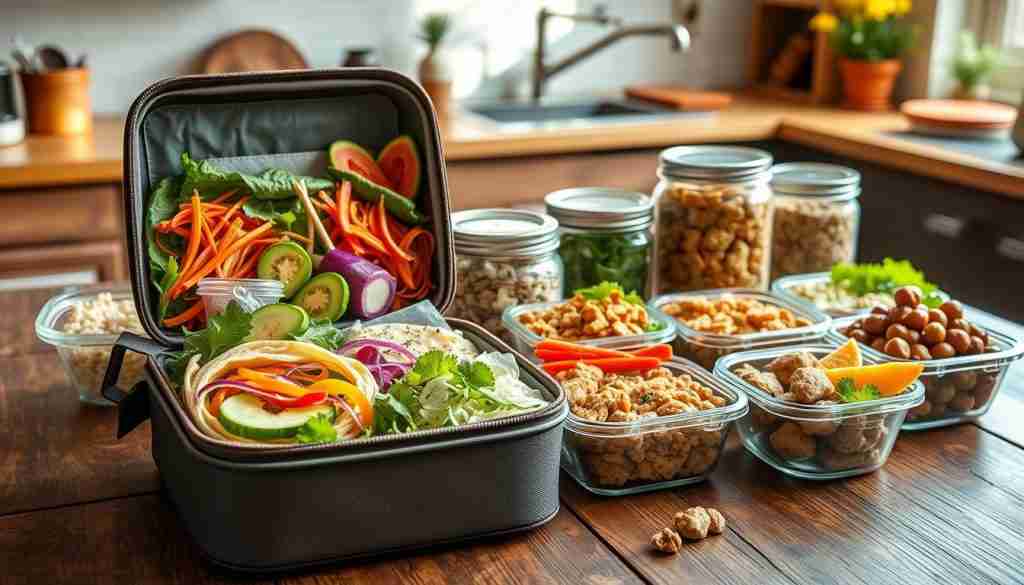
Build-Your-Own Meal Concepts
Think of lunchboxes as edible toolkits. Include 3-4 components from these categories:
| Base | Protein | Veggie | Fun Add |
|---|---|---|---|
| Wholegrain wraps | Shredded chicken | Capsicum strips | Cheese stars |
| Rice cakes | Boiled egg slices | Snow peas | Yoghurt dip |
| Pita pockets | Chickpea mash | Cherry tomatoes | Dark choc chips |
Melbourne dietitian Nina Park notes: “Children eat 23% more veggies when given assembly control.” Let them create mini wraps or stack rice cake towers.
Using Leftovers Creatively
Last night’s roast chicken becomes today’s lunch hero. Try these transformations:
- Shred into wholemeal muffin sliders
- Mix with grated zucchini for frittata muffins
- Toss through pasta spirals with hidden veg sauce
Batch-cook bases like quinoa or roasted veggies on Sundays. A Brisbane mum shares: “We call leftover fried rice ‘treasure hunt lunch’ – the kids search for corn and pea ‘gems’.”
Keep portions small and textures separate. Pre-chopped ingredients stored in clear containers make morning assembly a breeze. This system works all week, adapting to changing appetites without waste.
Utilising Cream Cheese and Other Kid-Friendly Spreads
A dollop of creativity can turn basic lunches into flavour adventures. Cream cheese shines as a versatile base for sweet and savoury creations, transforming plain crackers or apple slices into exciting nibbles. Food pros recommend blending it with mashed berries for a fruity dip or mixing in grated carrot for crunchy sandwich fillings.
Pair spreads with contrasting textures to spark interest. Try these winning combos:
- Wholegrain rice cakes + honey-cinnamon cream cheese + strawberry slices
- Cucumber rounds + dill-infused spread + smoked salmon confetti
- Pretzel sticks + pumpkin hummus + sultana “treasure” mix
Portion control keeps meals tidy. Use:
- Reusable sauce containers for dips
- Silicone cupcake liners as mini spread bowls
- Butter knife marks on bread to show filling depth
Melbourne nutritionist Dr. Ava Chen notes: “Colourful spreads make veggies more appealing – try beetroot-infused cream cheese on celery sticks.” For dairy-free options, mashed avocado with lemon or white bean dip works wonders.
| Spread | Pair With | Bonus |
|---|---|---|
| Greek yoghurt + mint | Lamb wraps | Calcium boost |
| Tahini + honey | Apple wedges | Iron + fibre |
| Ricotta + cocoa | Wholemeal pikelets | Protein punch |
One Sydney parent shares: “My daughter now eats capsicum strips – but only if they’re ‘boats’ carrying cream cheese ‘cargo’!” These simple tweaks prove that small changes create big lunchtime wins.
Time-Saving Pre-prep and Batch Cooking Strategies
Smart planning turns chaotic mornings into smooth operations. By dedicating 90 minutes weekly to prep, you’ll create ready-to-assemble meals that work harder than a barista during school rush hour.
Meal Prepping for the Week
Batch cooking transforms kitchen time into efficiency gold. Try these parent-tested methods:
- Roast three trays of veggies while preparing Sunday dinner
- Whisk muffin batter with hidden spinach or zucchini
- Portion wholegrain crackers into snack-sized bags
Melbourne mum-of-two Clara Nguyen shares: “I bake sweet potato frittatas every Monday – they’re lunchbox heroes all week.” Store components separately to maintain freshness, using airtight containers for crunch preservation.
Tools and Accessories for Efficiency
The right gear slashes prep time dramatically. Essentials include:
| Tool | Use | Time Saved |
|---|---|---|
| Mandoline slicer | Uniform veggie sticks | 8 minutes/day |
| Insulated bento box | Temperature control | No ice pack prep |
| 1-cup measure | Perfect portions | 3 minutes/meal |
Adelaide dad James Wilson notes: “Our 10-minute Sunday planning session stops 7am panic.” Track saved minutes weekly – most families gain 2-3 hours for more important things than sandwich assembly.
Balancing Nutritional Food Groups in Every Box
Crafting a lunch that fuels both body and brain starts with smart ingredient pairings. Dietitians recommend including four core elements: proteins for growth, whole grains for energy, fruits for vitamins, and veggies for fibre. “Think of the lunchbox as a mini buffet of nutrients,” says Sydney nutritionist Tara Nguyen.
Try this winning formula:
- Protein power: Boiled egg quarters or hummus dip
- Veggie crunch: Capsicum strips or snow peas
- Fruit boost: Mandarin segments or berry mix
- Grain goodness: Wholemeal pita or brown rice balls
Portion sizes matter more than variety. For younger kids, aim for:
| Age Group | Protein | Veggies | Grains |
|---|---|---|---|
| 5-8 years | 1 boiled egg | 1/2 cup mix | 1 slice bread |
| 9-12 years | 2 slices turkey | 3/4 cup mix | 1.5 cups rice |
Track food groups through simple colour coding. Use Monday for red foods (tomatoes, apples), Wednesday for green (cucumber, grapes), and Friday for yellow (corn, banana). Divided containers help visualise balance – try dedicating sections to different groups.
Remember: presentation drives consumption. Arrange orange carrot coins next to purple cabbage strips, or create rainbow fruit skewers. As one Brisbane teacher notes: “Kids eat first with their eyes – colourful meals rarely come home uneaten.”
Smart Lunch Packing for Different Age Groups
Young appetites evolve faster than schoolyard trends, requiring tailored approaches for each growth stage. What works for a curious toddler often flops with a tween craving independence. Let’s crack the code for age-appropriate meals that fuel both bodies and confidence.
Little Hands, Big Flavours
Toddlers thrive on finger-sized foods they can grip and explore. Think:
- Steamed carrot batons with hummus dip pots
- Mini frittata cups with hidden zucchini
- Wholegrain pikelet stacks with ricotta
“Bite-sized portions prevent overwhelm,” notes Sydney early childhood educator Mia Chen. Texture variety matters too – pair crunchy rice crackers with soft avocado slices.
Growing Appetites, Changing Tastes
School-aged kids need energy-dense options that survive backpack adventures. Try these upgrades:
| Toddler | School-Aged |
|---|---|
| Halved grapes | Whole grape clusters |
| Mashed bean spread | Chickpea salad wraps |
| Yoghurt pouches | DIY parfait kits |
Brisbane mum Lara shares: “My 8-year-old assembles her own bento box using pre-prepped ingredients – she eats 90% more veggies now!” Teachers recommend coordinating through lunchbox notes – a simple “Loved the corn fritters!” builds consistency between home and school.
Remember: child involvement scales with age. Let preschoolers choose between two healthy options, while older kids help design weekly menus. As their coordination improves, introduce reusable containers they can open independently.
Innovative Ideas for a Fun Lunchtime Experience
Turning midday meals into edible adventures sparks curiosity and empty containers. Parents across Australia are discovering how themed presentations transform routine lunch time into anticipated events. A simple sandwich becomes a pirate’s treasure when wrapped in parchment with “X marks the spot” clues.
Incorporating Themes and Challenges
Weekly themes create excitement without extra prep minutes. Try these parent-approved ideas:
- Space odyssey: Rocket-shaped wraps with “moon rock” popcorn
- Rainbow quest: Colour-coded veggie sticks with dip pots
- Animal safari: Banana “snakes” with peanut butter eyes
Playful challenges encourage food exploration. Hide cherry tomatoes in a “find five red gems” game or create tic-tac-toe boards using wholegrain crackers and cheese squares. “My son ate capsicum for the first time during our dinosaur egg hunt challenge,” shares Melbourne mum Layla Chen.
| Themes | Challenges | Accessories |
|---|---|---|
| Superheroes | Eat all green items | Comic-style food picks |
| Underwater | Try blue foods | Fish-shaped containers |
| Farmyard | Animal noises per bite | Barn-shaped sandwich boxes |
Small touches make big impacts. Reusable stickers labelling carrot sticks as “power wands” or apple slices as “fairy wings” spark imagination. Even five extra minutes arranging food into smiley faces or animal shapes can boost enthusiasm. As Sydney nutritionist Dr. Eva Tran notes: “When meals become interactive stories, children engage with their food rather than resisting it.”
Conclusion
Crafting midday meals that both nourish and excite becomes simpler with the right approach. By tuning into children’s preferences and school routines, parents can create lunch options that get eaten, not traded.
Involving young ones in meal decisions builds enthusiasm while teaching food awareness. Those colourful bento boxes and playful themes? They’re not just cute – they’re proven tools for encouraging adventurous eating.
Batch prepping and smart swaps save precious morning minutes. Remember: nutrition thrives when paired with creativity. A cheese star here, a veggie skewer there – small touches make big impacts.
With these strategies, lunch time transforms from daily chore to delicious opportunity. Why not start tomorrow? Rotate through the recipes and presentation ideas – you might just discover your family’s new favourite combo.