
Sending a four-year-old off to kindergarten? Kindergarten for 4 year olds is a big year — this checklist covers everything your young starter needs, from school supplies to independence skills and routines that make Term 1 easier.
Beginning kindergarten marks an exciting new chapter for little learners and families alike. This pivotal year lays the foundation for social growth, academic curiosity, and lifelong confidence. With thoughtful preparation, parents can transform those first-day jitters into enthusiasm that lasts all year.
Research shows children thrive when families approach this transition with clear routines and engaging tools. From establishing morning rhythms to selecting classroom supplies, every detail contributes to a smooth start. Our guide combines expert advice with practical strategies used by Australian educators.
You’ll discover how to:
- Create daily habits that support independence
- Choose learning materials that spark curiosity
- Foster resilience through play-based activities
We’ve curated insights from leading early childhood organisations to help families navigate this special time. Whether it’s managing separation anxiety or packing lunchboxes, our tips focus on building capability in both children and caregivers.
Key Takeaways for Aussie Families
- Early routines establish security and independence
- Quality learning tools beat quantity every time
- Emotional readiness matters as much as academic skills
- Collaboration with educators boosts outcomes
- Positive mindsets help overcome transition challenges
Essential Things You Need for Kindergarten
Establishing daily rhythms helps young learners embrace new experiences. Families play a crucial role in shaping positive attitudes through consistent patterns that blend home life with classroom expectations.
Preparing Your Child for Their First Day
Start conversations about school adventures weeks in advance. Many Australian educators recommend using the “Get Ready for Kindergarten! Checklist” to break tasks into manageable steps:
- Label water bottles, hats, and lunch containers together
- Practise opening snack packages during weekend picnics
- Arrange playdates with future classmates during holidays
Creating a Nurturing Home and School Routine
Consistent morning patterns reduce stress for everyone. Try this sample schedule used by Sydney families:
| Time | Activity | Parent Tip |
|---|---|---|
| 7:00 AM | Wake Up & Stretch | Use cheerful alarm tones |
| 7:15 AM | Healthy Breakfast | Involve kids in meal prep |
| 7:45 AM | Get Dressed | Lay out clothes nightly |
Bedtime routines prove equally important. Research shows children aged 4-5 require 10-13 hours of sleep for optimal learning. Establish wind-down rituals like reading time or quiet drawing 45 minutes before lights out.
Must-Have School Supplies and Classroom Essentials
Equipping young learners with the right tools transforms classroom experiences into adventures. Thoughtfully chosen materials build confidence while nurturing essential skills through hands-on exploration.
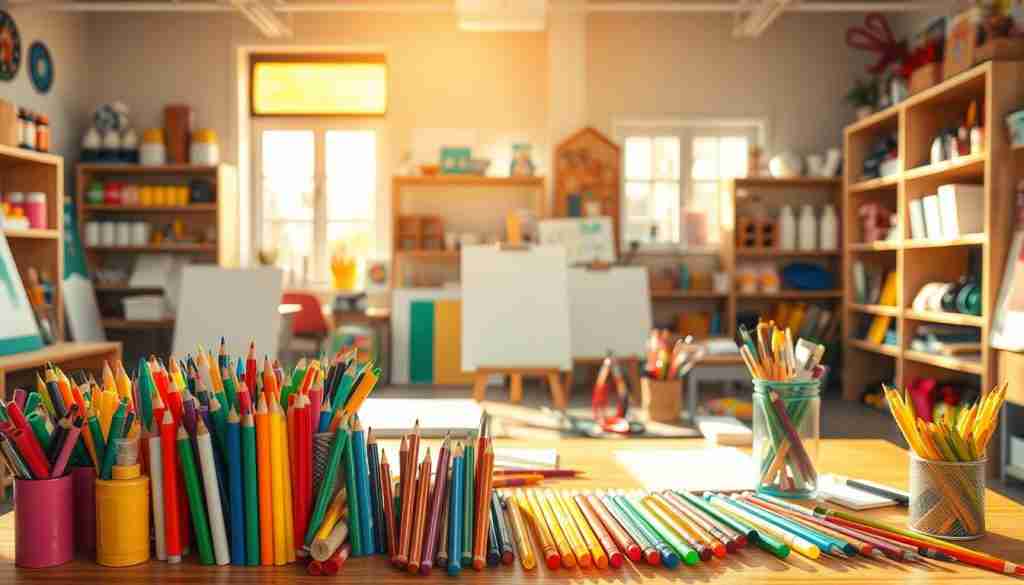
Art and Craft Supplies to Inspire Creativity
Vibrant crayons and washable markers top every teacher’s list for good reason. These tools let children express ideas while developing fine motor control. Aussie educators often recommend:
- Chubby paintbrushes with easy-grip handles
- Blunt-nosed safety scissors with spring mechanisms
- Non-toxic glue sticks that dry clear
One Gold Coast prep teacher shares: “We see immediate engagement when kids have quality materials. It’s not about fancy gadgets – basic supplies done well make all the difference.”
Writing Tools, Paper, and Practical Storage Solutions
Jumbo pencils with ergonomic grips help little hands build writing stamina. Combine these with mixed-media paper pads for drawing, tracing, and early letter practice. Labelled storage boxes keep workspaces tidy while teaching responsibility.
Consider these classroom-tested favourites:
- Plastic-free pencil cases with separate compartments
- Colour-coded folders for take-home notices
- Reusable sandwich boxes doubling as craft organisers
Many Australian schools request spare supplies to support all students. Opt for durable brands that withstand daily use – it’s an investment in your child’s learning journey.
Kindergarten for 4 Year Olds: What Young Starters Need
In several states, kindergarten for 4-year-olds is the norm rather than the exception. In NSW any child who turns five by 31 July can start as a four-year-old; in Queensland and Western Australia, “kindy” is a dedicated preschool year for children who turn four by 30 June; and Victoria’s funded kindergarten year is for children turning four by 30 April. If your child is starting at four, a few extras make the year smoother:
- Practise the physical skills before Term 1 — opening the lunchbox and drink bottle, managing zips and shoelaces, and toileting independently. Four-year-old hands need rehearsal, not reminders on the day
- Build up stamina gradually — a full school day is exhausting at four; keep afternoons quiet in first term and protect the bedtime routine
- Choose clothes they can manage — elastic waists over buttons and buckles for kinder kids; the same goes for lunchbox containers
- Read separation books together — a kindergarten for 4-year-olds program is a long separation for some children; our school drop-off separation anxiety guide has a goodbye script that works
- Talk about the day in shapes, not times — “first morning tea, then play, then story, then home” gives a four-year-old a map of the day
- Consider a shorter week if offered — some kindergartens offer three-day weeks in the first term; taking it is not falling behind
Whether four is too young to start depends on your child and your state’s cutoffs — the decision guide above breaks down the research on relative age.
One additional consideration is the type of program itself. A kindergarten for 4 year olds runs in two main settings: a community kindergarten (sessional programs, school-hour days, a strong play-based curriculum) or a long day care centre with an approved kindergarten program (longer hours, care integrated with learning, easier for working families). Both follow the same early years framework and both employ qualified early childhood teachers — children learn the same foundations of language, numbers and social skills in either setting.
Ask each service additional questions that matter at four: How do you track developmental milestones? How do you build language through play? What does a typical day look like for the youngest children in the program? A good centre will answer with examples, not brochures.
Additional Tips for a Smooth Kindergarten Transition
A positive start to school life relies on blending preparation with playful learning moments. Small, consistent efforts help children feel secure while exploring new environments. Let’s explore practical ways to bridge home routines with classroom expectations.
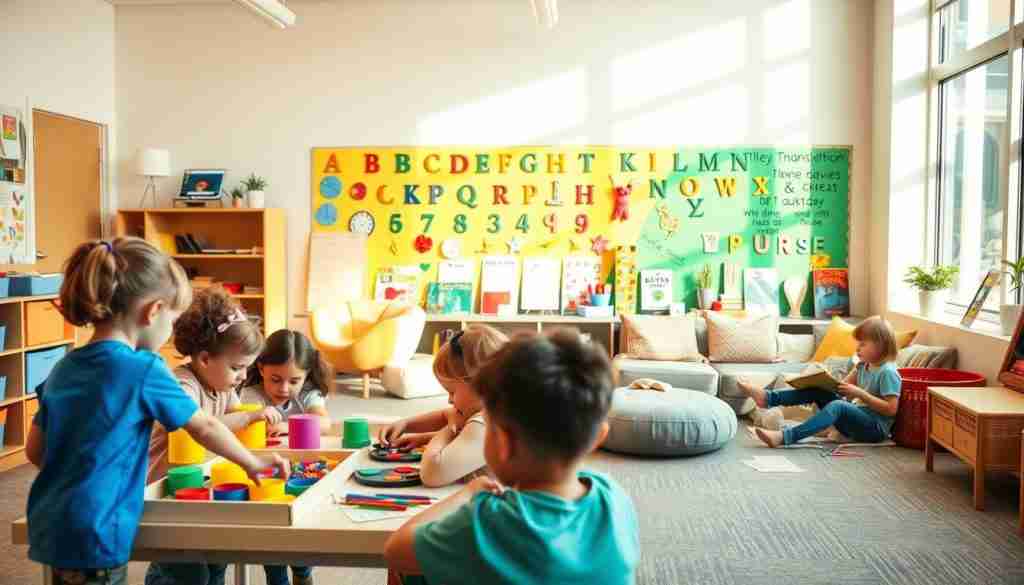
Building Confidence Through Familiarity
Gradual exposure reduces first-day nerves. Many Australian schools offer orientation mornings – attend these with your child to explore play areas and meet staff. Pair these visits with casual conversations about classroom activities during family meals.
Try these routine-building ideas used by Perth educators:
| Activity | Frequency | Skill Developed |
|---|---|---|
| Lunchbox practice | 3x weekly | Independence |
| Buttoning shirts | Daily | Fine motor skills |
| School role-play | Weekends | Social confidence |
“Children thrive when they recognise classroom objects from home. Borrow library books showing school settings, or create matching games with common items like crayons and hats.”
– Melbourne Early Learning Specialist
Mastering Daily Rhythms
Consistent sleep and meal patterns anchor the school year. Use visual charts with photos or drawings to map out morning tasks. Involve children in preparing clothes and snacks the night before – it builds ownership and reduces delays.
Three ways to make routines fun :
- Turn tooth-brushing into a 2-minute dance party
- Use sticker charts for completed tasks
- Create “mystery lunchbox” days with hidden veggie snacks
Regular communication with teachers helps align home and school expectations. Share successes like new words learned or independent dressing wins – educators often reinforce these milestones in class.
Conclusion
Combining practical resources with consistent routines creates a seamless start to school life. From labelled lunchboxes to quality art supplies, having essential items on hand allows children to focus on discovery and connection. Pair these materials with predictable daily rhythms – it’s the most effective way to support independence and curiosity.
Australian educators emphasise preparation as the foundation for success. Local stores stock everything from ergonomic pencils to visual routine charts, making it easy to gather tools that align with classroom expectations. Remember, small efforts like practising lunchbox routines or organising supplies together build confidence in tangible ways.
Trust the guidance shared by early learning experts – their hand-picked strategies simplify transitions. Whether updating sleep schedules or sourcing washable markers, each step contributes to a positive experience. This approach ensures families feel equipped, while little learners embrace new adventures with enthusiasm.
The best way to navigate this milestone? Start early, keep it simple, and celebrate progress. With checklists in hand and a clear plan, you’re laying the pathway for a joyful year ahead. Let’s make those first school days memorable – for all the right reasons!
FAQ
What essential items should my child bring on their first day?
Pack a backpack with labelled water bottles , a lunchbox , and spare clothes. Include pencils , crayons , and child-safe scissors – brands like Crayola or Faber-Castell are classroom favourites. A plastic folder for artwork and a glue stick also help little ones stay organised.
How can I help my child feel confident before starting?
Visit the school together to explore play areas or meet the teacher. Read books about kindergarten, like “The Kissing Hand” or “Starting School”, to spark excitement. Practise simple tasks like opening lunchboxes or using a pencil grip to build independence.
Are there specific art supplies recommended for kindergarten?
Teachers often request washable markers , thick paper , and non-toxic glue. A smock or old shirt protects clothes during messy projects. Stock up on coloured cardstock and jumbo crayons – they’re easier for small hands to hold.
What type of lunchbox works best for young kids?
Opt for plastic containers with easy-open lids, like Sistema or bento boxes. Label each compartment to encourage self-serving. Include an ice pack for freshness and a rubbish bin reminder to bring wrappers home.
How much practice with scissors and pencils is needed?
Short, daily activities – like cutting playdough or tracing shapes – build motor skills. Use primary pencils with grippers for comfort. Most schools don’t expect perfection, just willingness to try!